


Solution
Commercial access control systems for businesses & public facilities
- centralized access control
- role-based authorization
- multi-site ready
Commercial access control systems manage who can enter buildings, doors and gates in corporate environments. In this context, Gantner provides electronic, software-based access control solutions for companies with complex and multi-site requirements.
Beyond commercial access control, Gantner also offers solutions for other sectors. For a general overview of all access control solutions, see our page on access control systems.

Commercial access control at a glance
- time-based or 24-hour access control
- real-time RFID/NFC credential validation
- mobile credentials via smartphone app, e.g. via integration into a workplace app
- multi-factor authentication (fingerprint, facial recognition, PIN)
- centralized management software (Matrix)
- multi-site connectivity through networked systems
- on-premises operation with a web-based admin user interface
- integration with third-party hardware and software
- compatible with existing doors, gates and turnstiles
- scalable and modular system architecture
The benefits explained
Why businesses use commercial access control systems
Businesses use commercial access control systems to protect people, valuable assets and sensitive areas while maintaining efficient daily operations. Beyond corporate security, electronic access control supports structured processes, reduces administrative effort and creates transparency across buildings and locations.
Enhanced security
Access control systems help organizations enforce internal security policies and support compliance by documenting and controlling access to critical areas. Know and control who is in your facility, when and where – at any time of day – by defining clear access rules.
Real-time validation
The system verifies RFID/NFC badge validity and displays immediate approval or denial at entry points. Sensitive areas can be additionally protected with multi-factor authentication, combining RFID/NFC cards with biometric verification or PIN codes.
Operational efficiency
Automated access points reduce manual checks at doors, gates and entrances. This helps organizations manage visitor flows, staff movement and access processes more efficiently. Quick validation at entry points during peak hours means staff can focus on customer service rather than access control tasks.
Cost savings
Electronic access control reduces administrative effort. Digital credentials eliminate the need for mechanical key distribution and ongoing key management. Automated validation reduces the need for security staff at every entry point.
Software-based management
The Matrix access control software by Gantner forms the central layer of the system. It allows organizations to manage roles, permissions and access rights centrally across single or multiple locations.
Effortless scalability
Gantner’s commercial access control systems can be effortlessly integrated into common third-party software and expanded as organizational requirements change. Additional users, access points or locations can be integrated without restructuring the entire system.
Key components
How commercial access control systems work
Commercial building access control systems combine seamlessly integrated software and hardware components to manage access rights in commercial and public environments. Access is granted when a user is verified at a door, gate or terminal based on predefined permissions stored in the system. Key components of a commercial access control system include:
User data stored on data carriers identify users and store their access permissions. They enable organizations to assign, change or revoke access rights without modifying physical locks. Common credentials include ID cards or key tags with RFID/NFC technology, mobile credentials on smartphones and biometric identifiers (facial recognition, fingerprint). Employees increasingly use smartphones as access credentials since they carry them at all times.
Readers and terminals are installed at doors, gates and access points throughout a facility. They read credentials and send access requests to the access control system for verification. The system displays immediate approval or denial at each access point. Visual and acoustic signals indicate whether access is granted or denied. High-security areas may include further verification systems like biometric scanners with fingerprint identification or number pads for security codes.
Gantner’s electronic locks are compatible with all kinds of doors or gates and unlock only after successful authorization. For areas with high pedestrian or vehicle traffic, turnstiles and barriers equipped with card readers provide efficient access control.
Good to know: Emergency scenarios, such as fire events, can be defined centrally within the system, and doors can unlock automatically for everyone.
Controllers connect readers and electronic locks to the access control management software, ensuring reliable communication between hardware components and software. They transmit access requests and execute opening or locking commands based on system decisions.
In the access control management software, access rules and users are defined, while all events are being recorded. It serves as the central interface for configuring and managing the system. In larger or distributed organizations, the software enables central access management across multiple buildings or locations.
Extra convenient: The Gantner Matrix software also provides automatic verification for new staff added to the system. Plus, it allows administrators to grant access rights to large numbers of people quickly or issue reusable data carriers.
Typical use cases
Application areas for commercial access control systems
Commercial access control systems are used wherever access to buildings, rooms or sites must be controlled in a structured way. They support organizations in balancing security requirements with operational accessibility for employees, visitors and authorized third parties.
Security for public and non-public areas
Commercial buildings & offices
In commercial buildings and office environments, access control systems manage access for employees, visitors and service providers. They help organizations define who can enter specific areas such as office floors, meeting rooms or restricted business zones. Unobtrusive, automated access points at building entrances and exits allow companies to monitor access times while blocking unauthorized visitors.
Did you know? GT7 terminals can serve multiple purposes: access control and flexible electronic room labelling through the Room Sign & Access app. Plus, you can combine access control with employee time and attendance management – all with a single RFID/NFC credential.
Secure access for students, teachers & more
Educational institutions & libraries
Educational institutions such as schools, universities and libraries use access control to secure buildings while maintaining flexible access. RFID/NFC readers and terminals can be integrated into any door or third-party turnstile, and access rights can be assigned based on user groups or specific areas within the facility. This helps prevent theft and ensures safety in high-traffic areas.
Our access control solutions also work seamlessly with our smart locker and cashless payment systems for canteens and vending machines. Students can thus use the same credential (student card, library card) for all services.
Security for patients and staff
Hospitals & healthcare facilities
Hospitals and healthcare facilities rely on access control systems to protect patients, staff and sensitive medical areas. Access systems help ensure that only authorized personnel can enter wards, laboratories or restricted zones. Automated systems monitor and manage visitor flows while maintaining the safety of employees and patients.
In hygienic or high-security areas, access control can be combined with additional measures. For example, areas requiring protective clothing can integrate an airlock or surgical gowning process: Staff must disinfect their hands and don protective clothing before entering restricted zones. Smart locker systems for medication cabinets add another layer of security, providing controlled access to pharmaceuticals and other critical supplies.
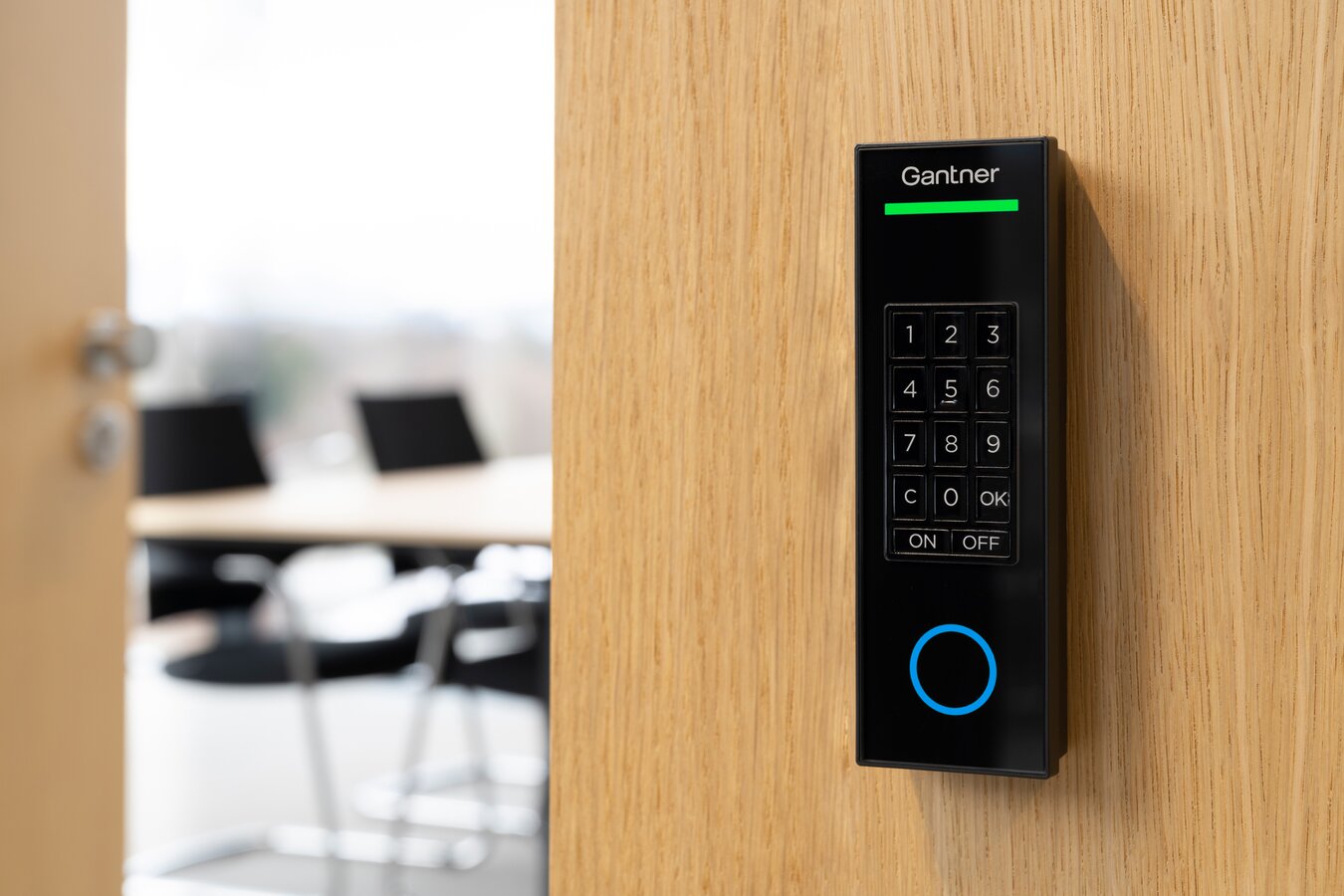
Security & convenience combined
Why access control systems are so important for businesses
Access control systems help protect people, assets and sensitive areas. They support organizations in ensuring that only authorized individuals can enter buildings, rooms or sites while maintaining structured and transparent access processes.
Traditional mechanical keys create administrative burdens and security risks. Lost or unreturned keys compromise security. Electronic access control systems eliminate these challenges through RFID/NFC credentials, which can be deactivated instantly or combined with biometric verification for enhanced security.
Typical reasons businesses implement access control systems:
protect sensitive areas and business-critical assets
control access for employees, visitors and external service providers
replace mechanical keys with centrally managed digital credentials
support internal security policies and compliance requirements
manage access centrally across buildings or locations
track access events for security audits and incident investigation
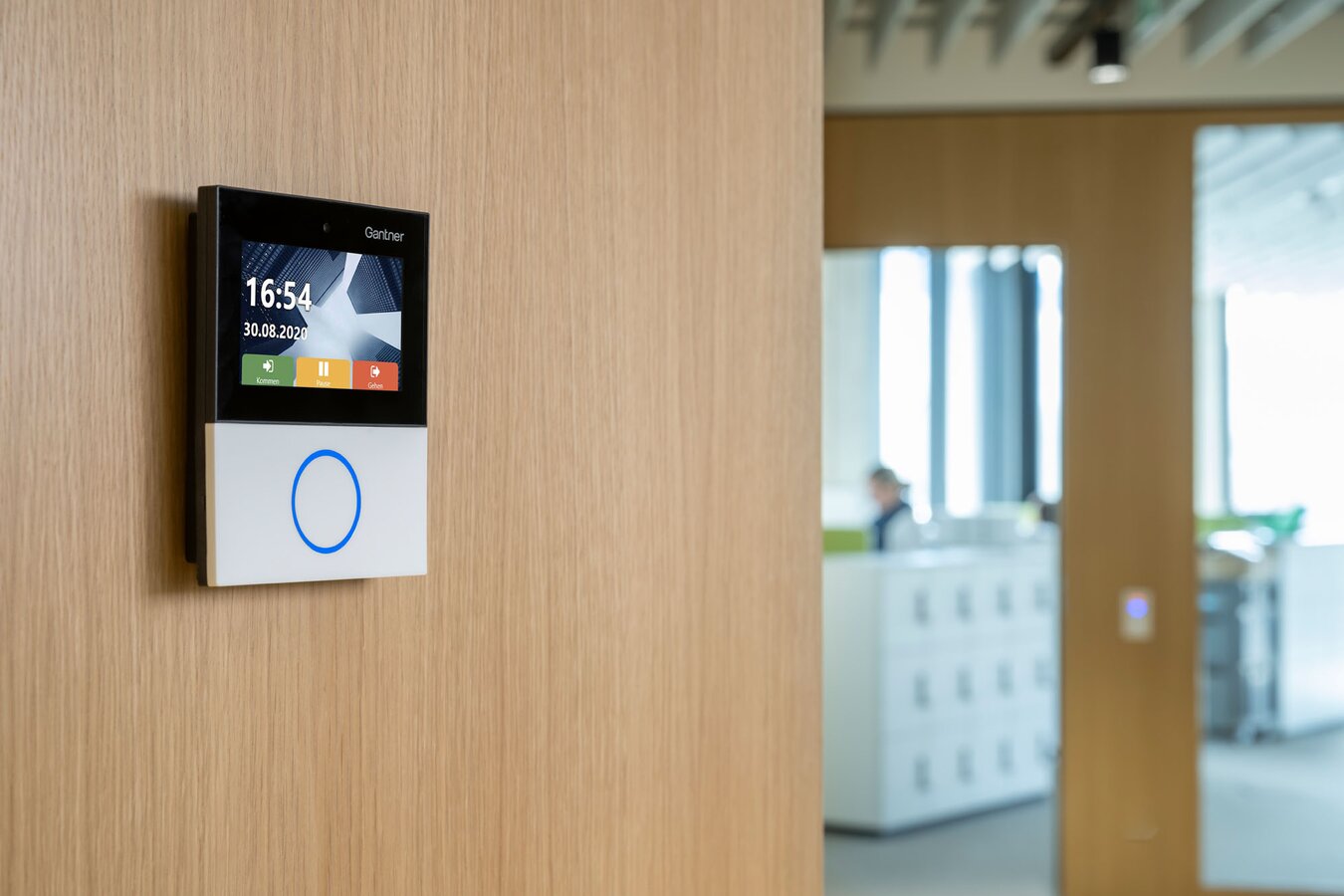
Software integration
Compatibility with other business software
Gantner access control systems can be effortlessly integrated into other Gantner solutions or common third-party company organization software products through standardized interfaces.
The modular architecture enables combining access control with complementary systems, such as:
- employee time and attendance tracking systems
- smart locker systems
- cashless payment systems
- workplace apps
- community catering systems
All systems can share the same credentials, simplifying user experience while reducing administrative complexity.
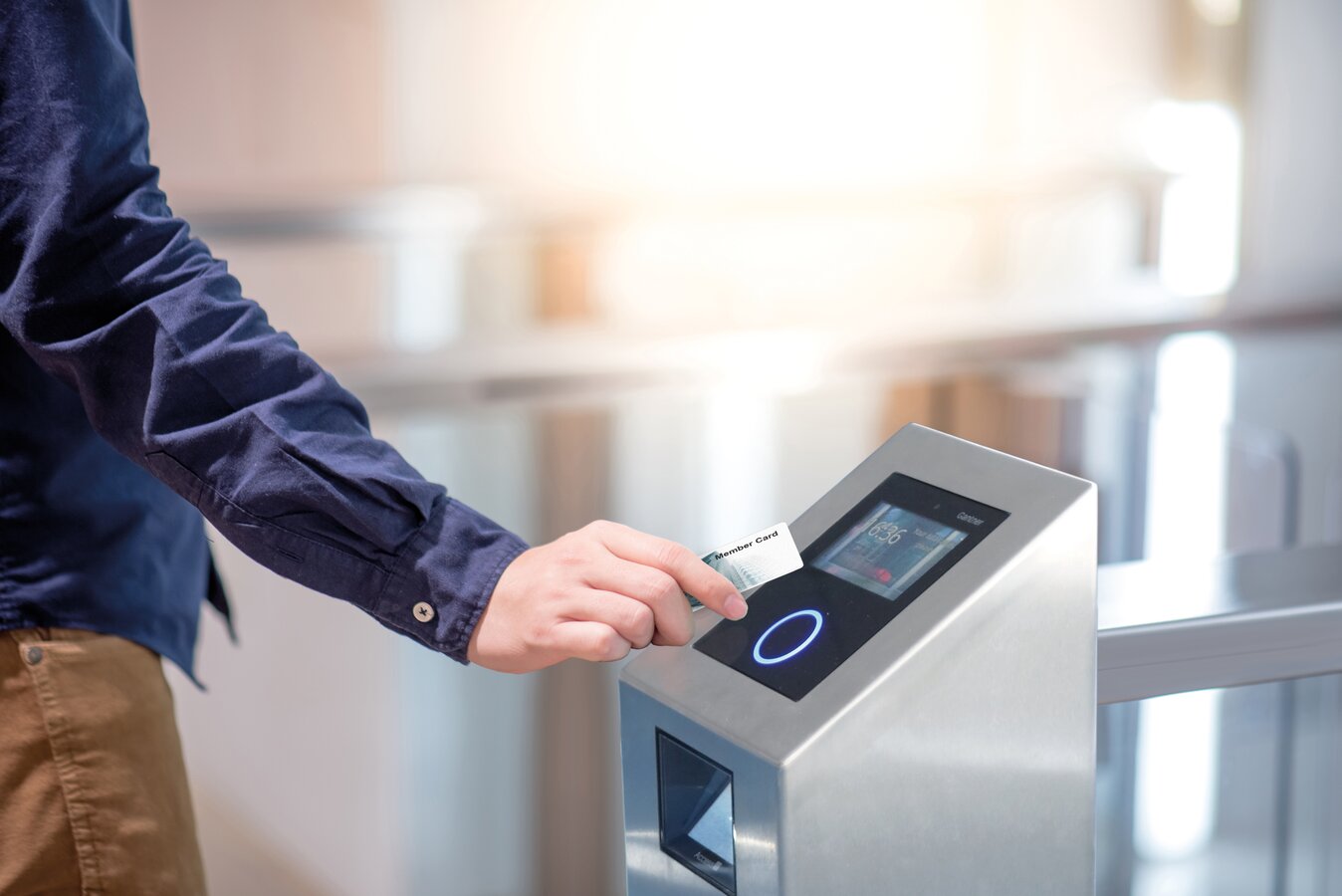
Infrastructure integration
Compatibility with physical access points
Gantner RFID/NFC access control systems can be installed in any third-party physical barrier:
- doors: offices, laboratories, and other indoor and outdoor areas
- gates: parking areas or factory entrances
- turnstiles: high-traffic areas like lobbies or facilities with large numbers of daily visitors
Our systems can be combined with existing infrastructure, providing maximum convenience and security without requiring new physical barriers.
Factors to consider
How to choose the right commercial access control system
Choosing the right access control system requires a clear understanding of organizational structures and access requirements. Beyond technical aspects, long-term manageability and scalability play an important role in system selection. Key factors to consider:
The physical structure determines the number and type of access points to be managed. Consider both indoor access points (doors, elevators) and outdoor access points (gates, parking barriers, perimeter turnstiles). Networked systems enable consistent security policies across multiple locations while supporting site-specific requirements.
Different organizational roles often require differentiated access permissions. The system must support flexible permission structures for employees, contractors, visitors and service providers.
Access control may be part of a broader operational or building management environment. Consider integration requirements with HR systems, time tracking, and visitor management, as well as integration into different types of physical barriers such as doors, gates or turnstiles.
Systems should support organizational growth without increasing complexity. Modular architecture allows adding users, access points, locations or additional software as requirements change.
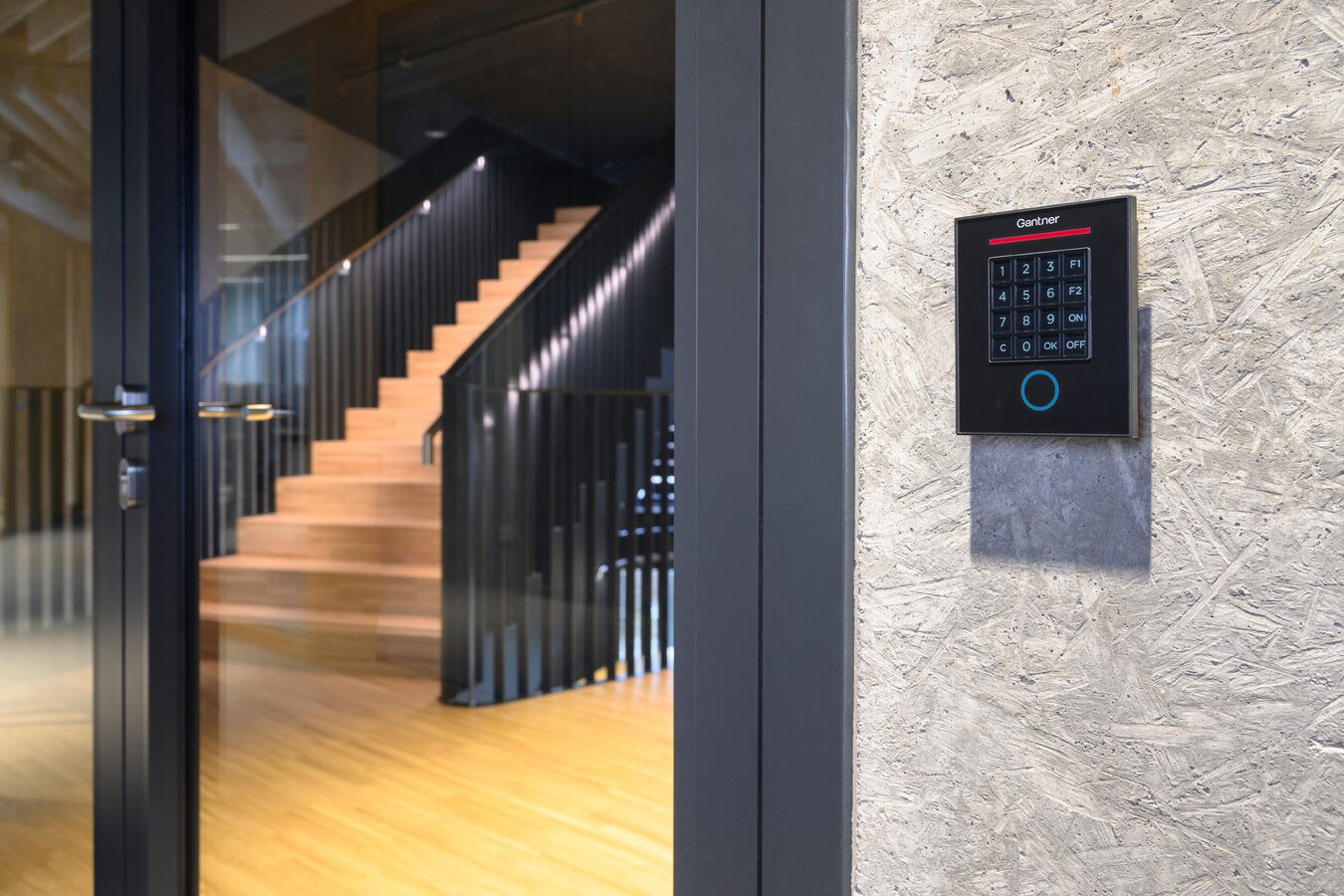
Finding the right solution together
Commercial access control systems are typically planned and implemented based on individual requirements. For more information and a personalized consultation, we recommend speaking to one of our experts.
Commercial building access control
Our products for commercial access control
Gantner covers all elements of electronic access control in its range of products:


About us
Gantner: your partner for modern access control systems
Gantner is an international company with decades of experience providing secure access control systems and convenient RFID/NFC-based services to businesses and public institutions.
Offices, gyms or educational facilities: Gantner serves businesses needing security at single sites or centralized management across multiple locations worldwide. We provide solutions that meet the high demands of international corporations and public organizations. Get in touch to find the best access control solution for your company.
FAQ
Frequently asked questions about commercial access control
An electronic access control system for commercial environments is a software-based solution that manages access to buildings, rooms or sites within an organization. It replaces mechanical keys with RFID/NFC data carriers or digital credentials. It enables centralized control of access rights for employees, visitors, and authorized third parties.
Electronic access control allows access rights to be managed centrally and adjusted quickly without replacing physical lock-and-key systems. This reduces administrative effort, improves security when access needs change and supports organizations with multiple users, areas or sites.
Common access credentials include ID cards or key tags with RFID/NFC technology, mobile credentials on smartphones or biometric identifiers (fingerprint, facial recognition). The choice depends on security requirements, operational processes and organizational policies.
Employees increasingly use smartphones as access credentials via mobile apps since they carry them at all times. High-security areas may combine credentials with biometric verification or PIN codes for multi-factor authentication.
Commercial access control systems are designed for organizations that need to manage access for employees, visitors and service providers across buildings, sites or locations. They provide structured permission management, centralized administration, compliance and integration into business processes.
Recreational access control systems are typically used in environments such as leisure facilities, sports venues or attractions. They focus on controlling entry for guests or members, managing visitor flows and supporting ticketing or check-in processes rather than complex organizational access structures. (See also: Access Control for Attraction Facilities)
While both use similar technologies such as RFID/NFC or mobile credentials, commercial access control prioritizes long-term access management and security policies, whereas recreational access control emphasizes throughput, convenience and visitor experience.
Commercial access control systems are typically planned based on individual organizational requirements. At Gantner, the process starts with assessing access needs, buildings and user groups, followed by system selection, implementation and configuration.


